
DEBTFREENOW.CA IS CANADA’S TRUSTED SOURCE FOR DEBT RELIEF
At debtfreenow.ca, we understand that people might find themselves surrounded with debt for many reasons including job loss, reduced income, medical expenses, or even the rising costs of raising a family. And when faced with a mountain of consumer debt, it is quite easy to become overwhelmed and to believe that you will never be able to pay off your creditors. The high interest rates associated with consumer debts, late fees for those who are behind on their payments, and much more can seem to conspire against your attempts to become debt free. That is why we want to help all Canadians better understand their debt relief options and save the most money while they get out from under their unsecured loans.
Are you struggling with debt or trying to figure out which Canadian debt relief program will help you get out of debt in the quickest amount of time and for the least amount of money? If so, let us show you that you can live a life free of bills and you do have more options than you probably realize. Simply put, if your paying out more money every month than you have coming in, we can get you to a professional who can help. Fill out the form above to get started today!
HOW DEBT RELIEF WORKS IN CANADA
Canada debt relief programs operate on the principle that if you are struggling, you should not have to pay more to your creditors than what is absolutely required. Many Canadians do not know that creditors are often willing to consider debts paid in full when they reach an agreement with one of their debtors to settle a debt for less than what is actually owed. After all, why pay back the full $15,000 in principal plus additional interest when you might be able to settle the debt for $6,000 or less?
Debt relief Canada is designed for those with a large amount of credit card debt and other debts that are not secured by property or other collateral. A debt service provider that is licensed by the government will work with your creditors to get them to come to a settlement agreement that is in your best interest and allows you to reduce a significant portion of your debt load without the harsh effects of bankruptcy on your credit.
With the right debt solution, you can:
- Reduce a significant portion of your debt balance
- Combine all your payments into one lower monthly payment
- Get out of debt in as little as 24 – 48 months
- Become debt free without filing bankruptcy
TYPES OF DEBT THAT CAN OR CAN’T BE SETTLED
Unsecured debt that can be settled:
- Credit cards
- Personal loans
- Lines of credit
- Medical Bills
- Collections or Repocessions
- Business Debts
Secured debt that cannot be settled:
- Student loans
- Mortgage
- HELOC
- Tax or Government debt
- Vehicle Loans
- Home Loans
- Lawsuits
WHY YOU SHOULD CHOOSE DEBT COMPANY
The answer is simple, we’re unlike any other debt help site out there. You can count on our team to provide you with sound, knowledgeable advice about Canadian debt relief.
Our goal is to help Canadian individuals and families learn how they can improve their financial well being. And when it comes to debt, there is no one solution that fits everyone. Everyone’s situation is unique and so by understanding and knowing which option is right for you, your road to debt freedom can be paved by success.
We also strongly believe that credit card debt relief information should be presented in a completely transparent and easy-to-understand manner. There should never be any hidden terms or costs and what you see is what you get. We hope the information provided by our debt service providers will help empower Canadians to make better decisions when it comes to choosing which debt relief option is right for their unique situation.
WHY YOU SHOULD AVOID BANKRUPTCY AT ALL COSTS
When all of their efforts to reduce their debt levels and payments have failed, residents of Canada often begin to consider filing for bankruptcy. In a bankruptcy, Canada residents are freed from the obligation to pay some or all of their debts, which on the face of it looks like a better deal than a debt relief program. Yet the price for bankruptcy is high.
- Claiming bankruptcy can affect your credit for 6-14 years
- Bankruptcy is a public record and could affect future employment in some cases
- There is a lot of time-consuming paperwork associated with living under bankruptcy
- In some cases, the individual will have to sell or surrender the same assets subject to repossession
You will not have these issues to worry about when you choose a Canada debt relief program.
START REBUILDING YOUR FINANCIAL FUTURE
Avoid bankruptcy and get the fresh start you deserve. We are committed to helping Canadians overcome the burden of debt. Our goal is to help you eliminate your debt in the quickest and most efficient manner possible. With the right debt relief plan, you will pay off your debt in the shortest amount of time possible with an easy and low monthly payment that you can truly afford.
You can enjoy freedom from debt at a greatly reduced price when you turn to a debt relief provider for assistance with debt management. Fill out the form on this page for more information on how a debt relief program can help you take control of your financial situation.
What are you waiting for? You have nothing to lose but your debt!
REDUCE YOUR PAYMENTS, PICK A PLAN THAT WORKS
Whether you have a too much debt or you are simply looking for options, we can help you resolve your debt for less money than you owe now. Find out if you qualify and see how much you can save!
LET’S GET STARTED
1. CALCULATE YOUR DEBTS
Examine your current situation at no charge or obligation. Get your free online savings quote today!
2. REDUCE YOUR PAYMENTS
Reduce your payments by up to 50% and combine all of your payments into one affordable monthly payment.
3. BECOME DEBT FREE
Start today and you could get out of debt in as little as 24 – 48 months.
The short answer is yes, but the real question is not can you keep your house in bankruptcy in Canada but rather, can you afford to keep it. In a bankruptcy, you must always offer your creditors MORE than what they would receive if you liquidated (sold) your assets to pay them. That means the more equity you have in a property, the more debt you will have to repay in your bankruptcy.
DMP programs are considered ‘credit sparing’ which means that while there will be some impact to credit score, it will be less than if you filed a consumer proposal or bankruptcy. This record will be wiped clean 2 years following successful program completion and does not prevent future borrowing.
Negotiated consolidations (A.K.A. debt management programs) are non-borrowing solutions commonly administered via a credit counselling agency. Instead of borrowing to repay your debts, your creditors are asked to reduce or eliminate interest while you repay. Unlike debt consolidation loans, negotiated consolidations do not require a credit check and accept all income types.
Debt consolidation loans are loans that are borrowed from a bank or other lending institution to repay debt. There are many different types of consolidation loans (see: Types of Consolidation Loans) however all types will require a credit check, proof of income, and will charge some interest.
Self-managed consolidations are not ‘true’ consolidations but involve borrowing from your own assets (such as an RRSP or TFSA) to pay your debt, and then self-managing a plan to replace/rebuild the wealth you borrowed from.
Credit counsellors deal with credit (good and bad) and focus on everyday affordability, managing debt, and establishing savings. Financial advisors do this as well but from the perspective of wealth-building and financial investment.
In a nutshell, if you have several credits cards that you are struggling to manage or need a better household budget, a credit counsellor can help. If you need advice on if you should invest in Space X or Dogecoin, that’s a financial advisor.
Consumer proposals can help with personal income taxes, CERB, HST/GST, provincial disability repayment, social support repayment, ICBC repayment, and student loans older than seven years. Government debts or overpayments that were incurred due to fraudulent or criminal activity cannot be included.
When a debt is settled the difference between the offer amount and the remaining balance is forgiven. For example, if you owe $1000 and settle for $800, the remaining $200 is forgiven but the whole debt is considered paid.
Debt consolidation is the process of combining all your debts to allow you to repay with one single payment, often with a better rate or term. This could include borrowing from a bank or other lender to repay your debts, using personal wealth such as an RRSP, or by using a negotiated consolidation.
In addition to reducing how much debt you owe, consumer proposals offer several legal benefits such as: stopping wage garnishment, halting a pending small claims case, or nullifying an existing judgement. Consumer proposals also offer additional benefits to those who–because of high earnings or valuable assets such as a house–cannot file personal bankruptcy without penalty.
In the real world, debt happens. Dogs get sick, kids have hockey, cars need winter tires; managing debt isn’t just about what’s on the credit report, or about the collection companies calling, or the bills that have fallen behind; it is about you, your personal financial situation, and a plan that makes sense for you. If you are struggling with money or debt, a credit counsellor can help you manage your budget and explore all of your options to effectively deal with your debt.
Unlike consumer debts like credit cards or loans, government debts must typically be negotiated directly with the governing body responsible unless involving a trustee (such as with a consumer proposal or personal bankruptcy).
Bankruptcy will not affect your spouse or children unless they are either (a) the co-signer or (b) the guarantor of a joint debt with you or, in some cases, if they are the co-owner of a joint asset with you. In general, if a jointly owned debt or asset will be affected by your bankruptcy, it will affect BOTH parties.
A basic, fees-only bankruptcy will cost $1800 for a 9-month bankruptcy and $2000 for a 21-month bankruptcy. However, if your income exceeds the maximum permitted for your family size (you plus your dependants) or you have penalties related to assets or equity, the cost of bankruptcy will increase.
Lump sum payments are the opposite of a monthly payments, where instead of paying smaller payments over time you pay a larger ‘lump’ payment upfront.
Assets such as a house, car, and certain investments such as RRSPs are either fully or partially exempt in bankruptcy. How much or what you can keep is subject to the exemption amounts in the province where you file bankruptcy.
For example: if the exemption limit for a vehicle in Manitoba is $3000, that means that IF it were sold, the total car worth must be less than $3000 or you may need to (a) pay the cash difference to your trustee or (b) surrender the car.
Yes and no. While you can get some types of credit while in consumer proposal, typically you will be restricted as to what type. For example, vehicle financing or leasing is typically permitted, as are mortgages, property rentals, and secured or prepaid credit cards, but other types of borrowing will not be allowed.
- Credit card debt
- Personal/installment loans
- Unsecured lines of credit
- Payday loans
- Past due bills
- Loans from individuals
- Non-criminal judgements
- Tax debts and HST/GST
- Student loans older than 7 years
Yes and no. While a DMP program will not directly build credit, a DMP will allow you to pay off your debts faster and with significantly lower interest rates than if you were to repay on your own. Upon successful completion of a DMP your counsellor will provide next steps for repairing credit and building wealth.
For unsecured loans, the process of settling is identical to that of credit card settlement. For secured loans, the loan must typically be detached from the property before settling the debt. While this most commonly affects vehicle loans, it can affect any type of financed property where there is a lien involved.
When a person settles a debt, they are paying less than the amount borrowed to a lender who promises to close any outstanding accounts and cease collections in exchange. Settling is a common negotiation tactic among third-party collection agencies that purchase consumer debt from other lending companies at a steep discount. Settling can be negotiated directly between the consumer (you) and lender or collector, or it may involve a settlement program.
How much you pay is calculated based on how much you earn, how many family members are dependant on your income, how much (if any) equity value you have in your home or other assets, and lastly, how much debt you must repay.
In all situations, you can expect to pay between 30% to 100% of your debt plus the cost of filing, which is $1500 regardless of total debt or province filed.
Speak to an accredited, non-profit credit counsellor—it’s free, confidential, and it guarantees that you will have the facts needed to make an informed decision.
While some options—like consolidation—are less impactful to credit score, the debt management toolbox contains many different tools for a reason. A credit counsellor can review other key decision-makers with you, such as affordability, effectiveness, future credit goals, and immediate financial need, and they can provide the resources you need to pursue whatever solution you choose
Debt consolidation is the right choice if:
- You could pay your debts in full if interest was reduced
- You could pay your debts in full if you had more time to repay
- You could pay your debts in full if you only had one payment
How debt consolidation works will depend on what type of debt consolidation you choose, but any consolidation should provide three basic benefits:
- A single monthly payment
- A lower overall interest rate
- A reasonable repayment timeline
Whether consumer proposal is worth it depends on what you need your consumer proposal to do. Consider the three L’s of consumer proposal:
- Do I need LEGAL protection from my creditors to stop wage garnishment or prevent a pending small claims court case?
- Will I pay LESS than the total amount of debt that I owe if I file consumer proposal based on my income, assets, and dependants?
- How will filing a consumer proposal LIMIT my ability to meet future financial goals such as homeownership or retirement?
Remember, the goal of a consumer proposal should always be to improve the situation. If you do not need legal protection from your creditors, will not benefit from reduced debt, or are concerned with credit impact, a credit-sparing alternative such as a Debt Management Program may be more appropriate.
Any secured debt can be included in your program however, DMPs cannot assist with CRA debt, CERB, or student loans. In most cases your credit counsellor can provide alternative solutions for these types of debts outside of a DMP.
In Canada, there are three main types of settlements:
Settlement in full: The lump sum repayment of a debt in full to avoid the accrual of further interest rates or fees, or, more commonly, to prevent a pending small claims case from going to court.
Settlement in part: The lump sum or installment payment plan of a portion of one’s debt, most often offered when other collection methods have failed or the person cannot be sued for the debt.
Negotiated Settlement: The repayment of a debt in full or in part which is facilitated by another body such as a credit counselling agency or one of the many paid settlement companies, typically because the creditor(s) would not offer settlement themselves.
Settling your debt will not damage your credit score, but it will also not repair any damage (lates, missed payments) that took place before you settled.
- Depending on the amount of debt you owe you may not be able to afford to consolidate if the resulting monthly payment is too high.
- Consolidating with the wrong type of lender or with a for-profit debt agency could end up costing more in fees or interest in the long run.
- Avoiding consumer proposal or bankruptcy when it is genuinely a better option may compromise your financial safety and well-being.
- A collections agency or creditor attempts to collect a debt in full, if they are not successful, they may decide to:
- Offer the debtor a settlement to be paid in full
- Offer the debtor settlement to be paid in installments
- If the collections agency or creditor does not offer a settlement but the individual debt is willing, an outside negotiator can:
- Offer the creditor a settlement to be paid in full
- Offer the creditor a settlement to be paid in installments
- If/when a settlement amount is mutually agreed upon:
- The creditor provides the settlement offer in writing
- The debtor pays the settlement as previously agreed
- The debtor requests or is provided with a receipt
- The creditor marks the debt as ‘paid’ or ‘satisfied’
- The creditor updates the credit report
Like other forms of debt settlement, credit card debt settlement requires you to have either a direct offer from the creditor to settle or the ability to prove ‘demonstratable financial need’ such as an illness or injury which will affect your ability to earn money. Additionally, for all types of settlement, you will need to prove that you have the financial means to settle (proof of means).
Once a settlement agreement is reached and the settlement is paid, the remaining balance is forgiven, and the account is closed as ‘paid’ or ‘satisfied’.
Unlike settling with a collection agency, credit card settlement usually involves a settlement directly with the credit card company, often as a final attempt made before they will sell the consumer debt owed to a third party collector.
Typically, credit card settlements will not discount the amount borrowed but may forgive interest, late payment fees, and other penalties. If the settlement involves a credit counselling agency or other negotiator, the discount is larger.
For-profit debt management companies will each have their own in-house requirements for you to qualify. In some cases, this may include a credit check, proof of working income, or an offer of collateral (such as a house or car).
You wouldn’t put up a picture with a wrecking ball or demolish a house with a hammer so why would you go bankrupt $500 or try to consolidate $500,000?
Debt consolidation is a ‘hammer level’ solution to debt. If you can consolidate comfortably and affordably, it’s a good option. But the truth is, sometimes you need to knock the whole house down and rebuild on a better foundation.
If you have borrowed more than you could comfortably repay (even with interest relief or a better term) consolidation is likely not the right tool for you.
First-time bankruptcies last 9 or 21 months depending on income, assets, and family size e.g. the number of dependents supported by you. Second or third-time bankruptcies will last 24 or 36 months and will have added restrictions.
Bankruptcy does not ruin your credit rating forever, but it will negatively impact your credit/borrowing power for a set period. Credit-wise, when you declare bankruptcy in Canada a record of bankruptcy will appear on your credit bureau for the length of your bankruptcy repayment (9 or 21 months) PLUS 6 additional years following your date discharge. During this time, you may find it challenging to secure new credit and you may pay higher interest/borrowing costs.
If you live or work in Canada and have Canadian debt, you are eligible to file a consumer proposal, however, it is up to your licenced insolvency trustee (or accredited credit counsellor) to determine if it makes sense for you to file. In general, you can expect the following of a consumer proposal in Canada:
- Your total debt amount will be reduced
- You will make a single monthly payment
- You will have up to 5 years to repay
- Creditors will stop collection calls/letters
- Creditors will not be able to garnish wages
- You will not lose your house or vehicles
- You will not lose your RRSPs, RESPs, or TFSAs
As they say, always use the right tool for the right job—but, how do you know what the right tool is? You ask someone who not only understands the tools available to you but also what exactly you are trying to build with them.
No. While some of the services a credit counsellor offers overlap with what a financial advisor offers, credit counsellors are NOT financial advisors.
If what you are looking for is a non-profit debt management program, only two need-based questions asked by your counsellor determine your eligibility:
- Do you need help repaying your outstanding debts?
- Could you repay your debts fully with interest or term relief?
If the answer is yes to both and your counsellor feels that a debt management program would be both an ethical and affordable option, you’re approved.
Banks, credit unions, private lenders, and consolidation companies.
Debt Management Programs are very different than consumer proposals. First, you will repay the total amount of your debt, just with low-or-no-interest. Second, DMPs do not consider your assets—your house, car, savings plans, and any other items will not be impacted in any way. Lastly, DMPs are voluntary and can be negotiated by a credit counsellor without involving a trustee.
Unlike a consumer proposal or bankruptcy, eligibility for a DMP is determined by only two questions: (1) do you have debts to repay and (2) will a DMP help you repay them? Before getting started, your counsellor will carefully review your situation and determine if a DMP is affordable, logical, and if it will address both your current situation and future credit goals. If it will, your counsellor will prepare a program outline and get the negotiation process started.
While every consolidation loan is different (see: Types of Consolidation Loans) as a general rule you will need to meet three borrowing requirements:
- Pass a credit check
- Provide proof of income
- Prove affordability
For secured or unsecured loans, you can apply at any reputable bank or credit union. Secured loans such as second mortgages or home lines of credit can also be borrowed from independent financing companies. For reverse mortgages, you will need to find a lender that specializes in this type of borrowing.
If your credit is damaged, you have a non-working income or are recently self-employed, or cannot afford to repay a new loan, you will require a co-signer.
Yes, you can keep your house in consumer proposal. However, you may have to pay more towards your debts based on the amount of home equity you have.
During a credit counselling session, a qualified credit counsellor will ask you questions about your family size, income, assets, liabilities, debts, budget, and goals. Your counsellor may also ask questions about how your current financial situation makes you feel. Using this information, your counsellor will determine next steps based on the three S’s: safety, stability, and success. If your situation is unsafe or you are in an immediate financial crisis, fixing that is step one.
From there, your counsellor will help you to create a realistic budget and/or repayment plan to stabilize your finances and ensure future financial success.
For consolidation loans, banks and credit unions are the ‘best’ in terms of interest rate and term (length of repayment). It is best to avoid private lenders and consolidation companies as the added cost of consolidating is high.
5 years (or less) of repayment, plus 3 years of credit record once paid.
- Debt consolidation offers the convenience of a single monthly payment with reduced interest and a more favourable repayment timeline.
- Consolidating your debt replaces multiple (usually higher) interest rates with a lower single rate that makes it easier to repay your debt.
- Using debt consolidation as an alternative to filing a consumer proposal or personal bankruptcy can prevent or reduce credit damage.
Credit counselling is not a form of debt consolidation, it is a debt conversation with an accredited credit counsellor who provides an overview of your money management options. However, credit counselling agencies do offer negotiated consolidations in the form of low-or-no-interest debt management programs.
Speaking with an accredited, non-profit credit counsellor at the Credit Counselling Society is 100% free–even if you attend more than one session!
- Secured debt (unless surrendered)
- Student loans less than 7 years
- Alimony and child support
- Court-imposed fines or penalties
- Criminal judgements or restitution orders
- Tax debts and HST/GST incurred due to fraud
Yes, you can keep your car in consumer proposal. However, if your vehicle is still financed you must continue making your regular financing payments.
- You have been directly offered a settlement by a creditor (or)
- You cannot afford to repay your debt in full, even in installment payments over several months or years based on income (or)
- You have other reasonable and justifiable need of a settlement
- You have the funds needed to settle debt in a single lump sum or in limited installment payments (usually less than 4)
A Debt Management Program (DMP) is a voluntary no-or-low-interest plan negotiated by a credit counselling agency to help you repay your debts.
In brief, each one of your creditors will agree to reduce interest (most often to 0%) but will require repayment in full within 5 years or less. DMPs offer a good alternative to consumer proposal or personal bankruptcy, help limit the damage done to your credit score, and generally have fewer rules and restrictions.
Credit counselling is a goal-oriented financial conversation between yourself and an accredited credit counsellor where you will discuss your credit score, debt history, and any other money management concerns that you may have.
The purpose of credit counselling is to provide the credit education, support, and resources you need to meet your personal financial goals. For most people, credit counselling is the first step in a debt management plan, but other services may include: budgeting, building/improving credit, or creating a savings plan.
Just like a bankruptcy, a consumer proposal can include any type of unsecured debt such as credit cards, lines of credit, or payday loans. Consumer proposals can also include certain types of government debt but cannot help with child support, spousal support, or alimony. Consumer proposals also do not include secured debt such as your vehicle loan or mortgage unless surrendered.
There will be some impact to credit in a debt management program, but it will be less than a consumer proposal or bankruptcy and have a shorter record.
Once informed of your bankruptcy, debt collectors should not continue to call you. If they do, please inform your licensed insolvency trustee right away.
A consumer proposal is a legally binding agreement made between you and your creditors to repay a portion of your total debt relative to your income, assets, and dependants. Consumer proposals are administered by a licensed insolvency trustee and are regulated by the Office of the Superintendent of Bankruptcy.
Transparent, easy-to-understand, and complete information so that you can make an informed decision
A debt calculator is a very useful tool as it provides you an estimate of how long it will take to become debt free and how much you’ll pay in interest by making your minimum monthly payments.
WE CHANGE PEOPLE’S LIVES
Thousands of Canadians have trusted us to help them get the fresh start they deserve
I feel that my life is under control again.
Melissa in Ontario
Helped with $15,000 in debt

The support we have received has been enormous.
Matt in British Columbia
Helped with $32,000 in debt

I really and truly, finally can look at retirement in a positive light.
Melissa in Ontario
Helped with $15,000 in debt

HOW IT WORKS
Take the first step and get your free online savings estimate today
CALCULATE YOUR DEBTS
Examine your current situation at no charge or obligation. Get your free online savings estimate today!
REDUCE YOUR PAYMENTS
Reduce your payments by up to 50% and combine all of your payments into one affordable monthly payment.
BECOME DEBT FREE
Start today and you could get out of debt in as little as 24 – 48 months.
LEARN MORE ABOUT YOUR OPTIONS
By understanding and knowing which option is best for you, your road to debt freedom can be paved for success
CHOOSE A DEBT CALCULATOR
Use our free debt calculators to calculate how long it will take you to become debt free with each debt solution.
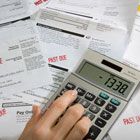




Using a Credit Monitoring Tool to Build Credit
If you’re working to improve your credit profile and increase your score, using a credit monitoring tool can be immensely beneficial. It tracks changes in your score, so you know where you stand before you apply for new financing. These tools also provide recommendations that can help you build good credit faster.
What is credit monitoring?
Credit monitoring is a tool that tracks changes in your credit report and score. It alerts you when there are positive or negative changes in your profile. This provides a range of benefits, including:
- Score tracking
- The ability to identify and dispute credit report errors
- Early identity theft detection
- Support for building good credit
There are free and paid monitoring tools that each offer a different range of features. Every Canadian should be monitoring their credit. The tool you use depends on your financial situation and needs.
Why is credit monitoring important?
Without a monitoring tool, you go into every credit application blind. You won’t know your score until the lender runs a check and tells you where you stand. This can lead to loan rejections and higher interest rates if your score isn’t where you think it is.
You also want to maintain a clean profile to ensure that anyone who checks your report gets a good picture of you. A bad report can make it difficult to rent an apartment or a car, and can even affect your ability to get a new job.
Using credit monitoring gives you the power to control your score and offers peace of mind
Access your credit score
A good credit score is essential to your financial life. It affects your ability to qualify for loans and credit lines with the best rates and terms. It can also affect how much you pay for insurance on your car in certain provinces.
This makes knowing your score essential. You can take action to make sure your score is as high as possible before submitting a credit application. It can also help you understand the factors that contribute to your credit score and how to improve them.
How are credit scores calculated?
Credit scores range from 300 to 900. There are five basic factors used to calculate your credit score. Each factor has a different “weight” for how much it affects your score:
- Payment history usually accounts for 35% of your score
- Credit utilization measures how much of your available credit you are using and typically accounts for 30% of your score
- Credit age measures how long you’ve maintained accounts in good standing and usually makes up 15% of your score
- Inquiries measures how many new applications you’ve had recently; it typically accounts for 10% of your score
- Credit mix looks at how many accounts you have and how diverse those accounts are; it’s also typically weighted for 10% of your score.
Using a monitoring tool will not negatively affect your score
Some people worry that checking their credit lowers their score, but this is a misconception. Reviewing your own credit report and even checking your score won’t decrease it. It’s only when you authorize a company to check your credit, such as a bank or credit card company, that will create a hard inquiry on your report. Too many of these inquiries can decrease your score. But this only happens when you apply for credit.
Dispute errors & make corrections
Many people have at least one error or mistake on their credit report. Depending on the nature of the error, these can negatively affect a consumer’s credit score. It’s crucial to review your credit report regularly to identify potential errors.
A good monitoring tool makes that process easier. It flags negative information that needs your attention. You can easily review this information to verify if it is accurate. In addition, paid monitoring tools help facilitate disputes.
Protect against identity theft
Reviewing your report regularly is also a key step in preventing identity theft and fraud. While the most common type of identity theft involves the misuse of an existing account, it can also happen when someone opens accounts in your name.
Without credit monitoring, you may be unaware that these accounts exist. Cyberthieves can run up balances in your name and allow debts to fall into collections. All of this could make for a very unwelcome surprise the next time you apply for credit! Credit monitoring tools alert you when new accounts appear on your report.
They can also help you catch fraud on your existing accounts. If you see that a balance on your report is higher than the balance you think you have, it may be a sign of misuse of your account. This can serve as an extra line of defence against fraud, in addition to monitoring your monthly statements.
Should I pay for credit monitoring?
Free Tools
Reviewing your report regularly is also a key step in preventing identity theft and fraud. While the most common type of identity theft involves the misuse of an existing account, it can also happen when someone opens accounts in your name.
Without credit monitoring, you may be unaware that these accounts exist. Cyberthieves can run up balances in your name and allow debts to fall into collections. All of this could make for a very unwelcome surprise the next time you apply for credit! Credit monitoring tools alert you when new accounts appear on your report.
They can also help you catch fraud on your existing accounts. If you see that a balance on your report is higher than the balance you think you have, it may be a sign of misuse of your account. This can serve as an extra line of defence against fraud, in addition to monitoring your monthly statements.
Paid Tools
Paid credit monitoring tools like Credit Verify offer a broader range of features. You can see your full credit report and the tool flags information that needs your attention. You get guidance on how to make disputes if you find an error. They also offer a credit score simulator that will show you how certain actions will affect your future score.
Credit Verify also provides $25 in bonus rewards every month to offset the monthly cost of using their service. You can use the rewards to save money on purchases with popular brands, retailers, and restaurants.
Another popular monitoring service is Score Up, by Marble Finance. The subscription-based model employs a loan repayment structure that reports every month to the credit bureaus. It combines point deduction, monitoring, and coaching to aid in monitoring and enhancing your score.
What should I do if my credit account is compromised?
- Contact the account issuer to tell them that your account has been compromised, so they can freeze the account.
- File a complaint with your local police service
- Place a fraud alert on your credit report with both major credit bureaus (Equifax and TransUnion).
- Report the fraud to the Canadian Anti-Fraud Centre.
What monitoring doesn’t cover
While credit monitoring tools offer a wide range of support for improving your credit, they can’t do everything. They can help you detect any issues and offer guidance on how to address them. But they generally don’t provide preventative measures or take any actions on your behalf.
These are some of the things that a credit monitoring tool can’t do:
- Prevent identity theft
- Alert you in advance about the misuse of an existing account
- Prevent phishing emails and other attempts to compromise your personal data
- Stop someone from applying for credit in your name (a fraud alert can prevent this)
- Correct errors on your credit report for you
- Prevent tax fraud
The bottom line
Adding a credit monitoring tool to your financial strategy gives you the power to manage your credit profile. Explore your options for monitoring your score and find a tool that fits your needs. You’ll be glad you did.
DEBT HELP FOR CANADIANS
Canada’s one-stop solution for information and tools to help you get out of debt
Get things back on track.
Speak with a non-profit
If you’re feeling stressed by your financial situation and are looking for ways to deal with it and get back on track, one of our knowledgeable credit counsellors
can help you look into all your options to resolve your situation as quickly as possible. They’ll help you put together a realistic budget and plan that’s in line with your financial goals. Get the peace of mind you need and speak with us today. You’ve got nothing to lose but your debt. Conversations with us are always free, non-judgmental, and completely confidential.
Get Some Help – It’s Free
Get a free appointment to explore your options and get back on track.